
Switching commercial vans or delivery trucks from gasoline to electric power changes how your operations team plans every route. Staggered delivery runs fall apart quickly if drivers wait in line at public plugs or return to the yard with depleted batteries.
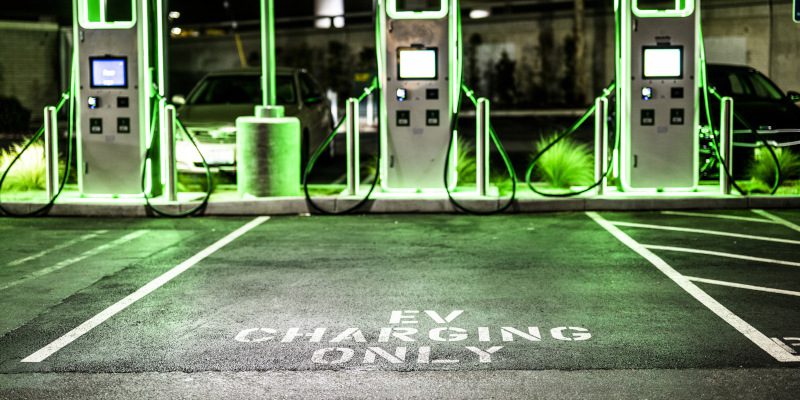
Centralized Power Keeps Drivers Moving
Bringing your charging infrastructure on-site removes reliance on retail stations and unpredictable surge pricing. Your fleet charges overnight on a set schedule, so every driver starts the morning at full battery capacity. Route planning becomes simple when power levels are guaranteed before vehicles leave the depot.
Our team at Electrical Service & Supply evaluates your existing utility service to calculate how much power your commercial building can spare during off-peak hours.
Infrastructure Demands Behind the Charging Bank
Commercial charging hardware places continuous electrical demands on main service panels. Installing multiple fast plugs requires dedicated subpanels, heavy-gauge conduits, and digital load controllers to balance energy draw across all active ports without tripping main breakers.
When setting up fleet charging stations, precise layout prevents voltage drops and utility penalties:
- Dedicated subpanels isolate heavy charging loads from your primary office lights and HVAC units.
- Smart load controllers balance energy distribution so multiple fleet charging stations draw power without exceeding site limits.
- Heavy-duty conduits protect high-voltage feeder wires against heavy yard equipment and coastal rain.
Equipping your industrial yard or business facility with commercial fleet charging stations gives your dispatchers complete control over daily charging schedules and vehicle readiness. Proper wiring, accurate load calculations, and correct breaker sizing mean your system operates smoothly without interrupting facility operations.